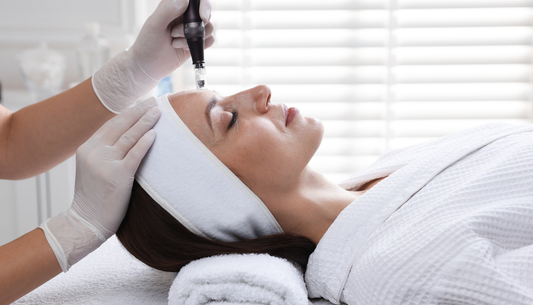
How to Instantly Calm Redness and Heat After a Professional Aesthetic Treatment?
That warm, flushed look after a facial, peel, or laser can be alarming. It's usually a short-term response to inflammation. It's a temporary dip in comfort during skin recovery.

Smart Post-Procedure Redness Relief starts with calming, not “fixing,” your face fast. Instant Skin Cooling and Soothing can reduce blotchiness and heat. It makes your skin feel more settled.
SkinSays is inspired by Korean aesthetic medicine and powered by regenerative science. It brings professional-grade aftercare home. It uses routines that mirror what many clinics recommend for recovery.
Not all redness has one cause. It can be from sun damage, dilated blood vessels, acne, rosacea, dry skin, or aging. Home care may not be enough on its own. In the sections ahead, you'll learn practical ways to calm visible heat while protecting skin barrier recovery, plus when it's time to get professional guidance.
What post-treatment redness and heat really mean for your skin barrier recovery
Redness and warmth after a facial can seem scary, but it's usually normal and temporary. When you get exfoliation, extractions, or light-based treatments, your skin's top layer gets a bit upset. This can make your skin look flushed as it starts to heal.
The "hot" feeling is your skin's way of saying it's getting more blood flow and inflammation.

Why facial flushing happens after procedures like exfoliation, light-based treatments, and extractions
Many treatments stress your skin in a controlled way. Exfoliation thins out dead skin, extractions press on sensitive follicles, and light treatments heat up specific areas. Afterward, the redness is not something to worry about too much. It's more about helping your skin feel better while it heals.
If you're looking to reduce redness after a treatment, think of it as a sign. It might mean your skin needs softer care, fewer strong products, and lots of water.
Common triggers: dilated blood vessels, inflammation, dryness, and environmental stress
Many things can cause redness, and it can vary from person to person. The main culprits include:
- Dilated blood vessels near the surface, making redness stand out
- Inflammation from rubbing, heat, or being sensitive to certain ingredients
- Dryness that makes skin tight and more prone to irritation
- Environmental stress like cold air, low humidity, or indoor heat that dries out skin fast
Some causes of redness can also lead to flushing after treatments. These include sun damage, acne, rosacea, aging, and blood vessels that stay open too long.
When redness is expected vs. when it may signal irritation that needs professional guidance
Mild redness that fades over a day or two is usually okay. But if redness spreads, hurts more, or comes with itching, swelling, or a rash, it might be a sign of irritation or an allergic reaction. It could also mean you have rosacea, eczema, or psoriasis, which need expert help.
Because so many things can cause redness, there's no single solution. Knowing what triggers your redness helps you find the right care for your skin's recovery and ongoing health.
Post-Procedure Redness Relief, Instant Skin Cooling and Soothing
After a treatment, skin might feel warm and tight. It can also flush quickly. That's why it's important to have a plan for cooling and soothing the skin.

How cold therapy helps reduce the look of redness by calming inflammation
Cold temperatures can help reduce redness by calming inflammation. It makes the skin feel cooler and less tight. This helps the skin reset and look less red.
Instant skin cooling and soothing also helps avoid rubbing or scratching. This makes the recovery process smoother each day.
Fast at-home cooling tactics: cold compresses, chilled tools, and refrigerating recovery products
Simple methods can be very effective if they are gentle and clean. These options work well with products made for sensitive skin after treatments.
- Cold compress: Use a soft, damp cloth cooled in the fridge. Press lightly for a few minutes, then take a break.
- Chilled tools: A cooled roller or cold therapy mask can feel great when used with minimal pressure and slow passes.
- Refrigerate recovery skincare: Cooling post-treatment recovery products in the fridge can add Instant Skin Cooling and Soothing when you apply them in thin, even layers.
SkinSays focuses on comfort-first care beyond the treatment room. It emphasizes cooling and barrier support together.
Why gentle, consistent cooling works better than aggressive “ice burn” approaches
Direct ice on bare skin can cause an “ice burn” effect and trigger more irritation. This is the opposite of what we want for Post-Procedure Redness Relief, when the barrier is compromised. Short, repeatable sessions are usually a better match for sensitive skin.
A steady routine—cool, pause, then cool again—delivers instant skin cooling and soothing without shocking the tissue. Combine that with well-chosen post-treatment recovery products, and you keep the focus on calming warmth while your skin regains balance.
Immediate aftercare do’s and don’ts for professional-grade aftercare at home
After a treatment, your skin might look flushed and feel warm. This is when you need the best aftercare. A simple plan can help your skin feel better, reduce redness, and heal faster.
Many people who follow Korean aesthetic home care believe in calming the skin first. This helps avoid using too many products to fix redness. It's better to use fewer steps and softer formulas.
Do simplify your routine: fewer steps, fewer actives, lower irritation risk
- Pause strong actives like retinoids, exfoliating acids, and high-dose vitamin C until skin feels normal.
- Keep to basics: a gentle cleanse, soothing hydration, and a barrier-friendly moisturizer.
- If a product stings, skip it for now and focus on post-procedure redness relief instead of fast changes.
Don’t over-cleanse: harsh or sulfate cleansers can strip moisture and worsen redness
Clean skin is good, but too much can be bad. Sulfates and strong foaming washes can take away natural oils. This can make your skin tighter and redness worse. Use a mild, sulfate-free cleanser to help your skin regenerate without feeling too tight.
Don’t add fragrance, dyes, or harsh chemicals while skin is reactive
Fragrance and synthetic dyes can be a problem when your skin is sensitive. Always read labels, even if you know a product works for you. Opt for fragrance-free, dye-free basics for the best aftercare and to follow Korean aesthetic home care routines.
Do protect from sun exposure, which can exacerbate redness and irritation
Sun and heat can make flushing worse, which is common after a procedure. Use a broad-spectrum sunscreen every day. If your skin gets irritated easily, try mineral options with zinc oxide or titanium dioxide. Cold, windy weather can also dry out your skin. So, remember to stay hydrated and use sun care for better redness relief and skin healing.
Identify what’s driving your redness so you can calm redness after aesthetic treatment faster
To calm redness after a treatment, first find out why it's happening. Redness is normal after some treatments, but knowing the reason helps. Matching your aftercare to the cause makes recovery easier and more comfortable.
- Sun damage that makes skin react fast and stay warm longer
- Dilated blood vessels close to the surface, which can look like blotchy flushing
- Active acne where inflamed bumps keep redness “switched on”
- Rosacea that shows up as easy flushing, stinging, or visible vessels
- Dry or irritated skin that feels tight, rough, or itchy
- Aging-related vascular changes that can deepen redness over time
Things outside of treatments can also cause redness. Cold or dry air can dry out your skin quickly. Hormonal changes can weaken your skin's moisture barrier. Fragrances, dyes, and harsh chemicals can irritate your skin, and allergies can cause itching and swelling.
Some skin conditions can look like redness after a treatment. Eczema can cause itchiness and dry patches. Psoriasis may appear as thick, scaly spots. Rosacea can flare up with heat, exercise, alcohol, or spicy food. If you notice these patterns, seeing a dermatologist is a good idea.
That's where SkinSays post-treatment recovery comes in. Keep things simple and watch closely. Use ongoing care to see what makes the flush worse or better, and how quickly your skin recovers.
Build a soothing, minimal recovery routine focused on skin regeneration and continuous care
After a professional treatment, less is more. A simple routine helps your skin recover. It also keeps stress low, which is good for your skin.
Gentle cleansing to support barrier function without stripping natural oils
Cleanse to remove dirt and sunscreen, but gently. Use a sulfate-free cleanser and lukewarm water. If your skin feels tight, you might have stripped too much oil.
Avoid scrubs, brushes, and strong acids until your skin calms down. This keeps your care routine steady, even when your skin is sensitive.
Hydration essentials: humectants like hyaluronic acid and glycerin to reduce dryness-related irritation
Dehydration can make redness worse. Use hyaluronic acid and glycerin to keep your skin hydrated. Apply on damp skin to make hydration last longer.
- Use one hydrating serum or essence, not a stack of new products.
- Avoid high-fragrance formulas while you focus on skin regeneration.
Moisturizing to reinforce the skin barrier and reduce visible reactivity over time
Seal hydration with a gentle moisturizer. This strengthens your skin barrier and reduces redness over time. It's important, even in harsh weather or hormonal changes.
If your skin is very dry, try a hydrating mask once a week. Then, go back to your usual routine. Keeping it simple helps your skin keep improving.
SkinSays post-treatment recovery products inspired by Korean aesthetic home care
SkinSays brings a clinic-to-home mindset that fits real life in the United States. It combines Korean aesthetic home care with regenerative science. This makes recovery steps simple and planned.
When skin looks flushed or feels warm, SkinSays post-treatment recovery focuses on comfort, hydration, and a steadier barrier.
Frost Renew Soothing Firming Mask for rapid cooling comfort and post-procedure redness relief
When heat peaks right after a service, the Frost Renew Soothing Firming Mask can feel like a reset. It’s meant for rapid cooling comfort, helping skin feel less tight while the look of post-procedure redness starts to settle. Keep pressure light and let the mask do the work.
Cooling massage spoon technique to help instantly cool heated skin and improve comfort
A Cooling Massage Spoon is a smart way to use cold therapy without harsh icing. Chill the tool, then glide over cheeks and jaw in slow strokes, lifting outward. This helps instantly cool heated skin, supports comfort, and avoids the sting that can come from pressing ice too hard.
Collagen Glowy Infusion Serum to support hydrated-looking, smoother skin during recovery
Dryness can make redness look louder, so hydration matters during recovery. The Collagen Glowy Infusion Serum layers in lightweight moisture for hydrated-looking, smoother skin. It fits well after gentle cleansing, when skin is reactive and needs a calm, simple step.
Collagen Glowy Oil-Free Face Moisturizer Cream for lightweight barrier support when skin feels hot
When your face feels warm but you don’t want a heavy finish, the Collagen Glowy Oil-Free Face Moisturizer Cream gives lightweight barrier support. It helps seal in hydration without feeling greasy, which can be helpful when skin is both oily and dehydrated. For added options within the same system, SkinSays also includes PDRN Essential Oil Cream Mask and cord blood cellular regenerative firming cream, built around the same comfort-first recovery approach.
When persistent redness needs in-clinic support (and how at-home care complements it)
Some redness fades quickly after a treatment. But if it lasts, it might be due to more than just the treatment. A mix of in-clinic care and at-home aftercare can help with comfort and skin recovery.
Redness can be linked to sun damage, acne, rosacea, dry skin, dilated blood vessels, and aging
Redness can come from sun damage, acne, rosacea, or dry skin. It can also be from blood vessels near the surface. As we age, our skin gets thinner, making redness more visible.
Why professional consultation matters: there isn’t a one-size-fits-all solution
Every case of redness is different. A professional can figure out the cause and tailor a plan. They also help pick aftercare products that won't irritate your skin.
How light-based treatments can target small blood vessels and improve the appearance of chronic redness
Light-based treatments can help with redness from small blood vessels. BroadBand Light (BBL) targets these vessels, causing them to shrink and disappear. This can reduce chronic redness without harming the skin.
People often see big improvements after two to three sessions, spaced four weeks apart. Even with good care, new vessels can form with sun and aging.
Why consistent topical care helps: calming inflammation and strengthening the skin barrier between visits
Topical care between visits can calm and strengthen the skin. It's like daily maintenance that supports in-office treatments. This helps reduce irritation and improves skin health over time.
- Keep it minimal with gentle cleanser and fragrance-free moisturizer to reduce bounce-back irritation.
- Lean on barrier-first formulas in your post-treatment recovery products to help with tightness and dryness.
- Stay consistent so SkinSays-inspired routines can act as structured professional-grade aftercare between visits.
FAQ
Is redness and heat after an in-clinic aesthetic treatment normal?
Yes, redness and warmth are common after many treatments. They usually come from inflammation and skin barrier disruption. The goal is to make you comfortable and support your skin's recovery.
Why does facial flushing happen after exfoliation, extractions, and light-based treatments?
These services can upset the skin's upper layers and cause inflammation. This leads to flushed skin and a feeling of heat or tightness. It's a normal part of the recovery process.
What triggers post-treatment redness the most?
Main triggers include inflammation, dilated blood vessels, dryness, and environmental stressors. Harsh weather, like extreme cold and low humidity, can make redness worse during recovery.
How do I know if redness is expected or if it may be irritation that needs professional guidance?
Expected redness usually gets better as the skin calms down. But if redness persists, gets worse, itches, or stings, it might be irritation or an allergic reaction. It could also be related to conditions like rosacea or eczema. If you're unsure, it's best to talk to a professional.
How does cold therapy help with post-procedure redness relief?
Cold therapy can reduce inflammation and help constrict blood flow near the surface. This may lessen redness. It also improves comfort when the skin feels hot and reactive, supporting your recovery without overloading the skin.
What are the fastest at-home cooling tactics for instant skin cooling and soothing?
Use a cold compress, chilled tools like a roller or cold therapy mask, or refrigerate recovery products for a soothing effect. Keep these sessions short and consistent to calm heat and visible flushing while supporting skin barrier recovery.
Should I put ice directly on my face after a treatment?
It's better to avoid direct ice contact on sensitive skin. Opt for gentle, consistent cooling instead. Over-shocking sensitized tissue can worsen irritation, so use a wrapped compress or chilled tool instead of pressing ice directly onto skin.
What should I do right after treatment to lower irritation risk?
Keep your routine simple. Use fewer steps, fewer actives, and fewer new products while your skin is reactive. A minimal approach reduces exposure to triggers and supports professional-grade aftercare at home.
What cleansing mistakes make post-treatment redness worse?
Over-cleansing and harsh cleansing are common mistakes. Irritated skin does best with mild, sulfate-free cleansing that removes residue without stripping natural oils. When the barrier is stripped, dryness increases and redness can look stronger.
Which ingredients should I avoid while my skin is reactive?
Fragrances, synthetic dyes, and harsh chemicals can be overly irritating during recovery. Always read labels after a procedure. Avoiding known triggers can lower the risk of redness and itching linked to irritation or allergy.
What if my redness isn’t only from the procedure?
Persistent facial redness can have many causes, including sun damage, acne, rosacea, dry skin, and aging. Home care can support comfort and calmer-looking skin, but it may not fully address deeper vascular or medical causes on its own.
How do I do a quick “cause check” for what’s driving my redness?
Consider recent sun exposure, visible surface vessels, active acne, rosacea-prone flushing, dryness or irritation, and aging-related vascular changes. Also think about non-procedure triggers like extreme cold/dryness, hormonal fluctuations, and product ingredient irritation.
Can foods or allergies cause redness and itching during recovery?
Yes. Allergic reactions—from foods or skincare—can cause redness and itching, and they can be mistaken for “normal” post-treatment redness. If itching or swelling appears, stop suspected triggers and seek professional guidance.
What’s the best hydration strategy for skin barrier recovery?
Prioritize humectants like hyaluronic acid and glycerin to replenish water content. Dehydration can make skin feel tight and reactive, which can intensify visible redness. Keep your routine simple so skin can settle.
How does moisturizing help calm redness over time?
Consistent moisturizing supports the moisture barrier, which helps skin feel less reactive and look more even over time. This matters even more when harsh weather or hormonal shifts have weakened barrier function and increased sensitivity.
Are masks helpful after a treatment, or do they add too much?
Optional, gentle masking can help when dryness is significant, but the overall routine should stay minimal. A weekly hydrating or soothing mask can add comfort without piling on too many steps—during a recovery window.
What is SkinSays, and how does it fit into post-treatment recovery?
SkinSays is inspired by Korean aesthetic medicine and powered by regenerative science. It’s designed to translate professional clinic protocols into intelligent home-care programs, supporting continuous care beyond the treatment room with post-treatment recovery solutions.
Which SkinSays product is best when my skin feels hot and visibly red right after treatment?
Frost Renew Soothing Firming Mask is designed for rapid comfort, aligning with cooling benefits that help instantly soothe redness and calm heated skin. It fits a recovery-first approach when skin is most reactive.
What is the Cooling Massage Spoon technique, and why does it work?
It’s a chilled tool method that uses cold therapy principles for quick comfort. A cooled spoon-style tool can help instantly cool heated skin and soften the look of flushing without the risks of aggressive icing on a disrupted barrier.
Where does Collagen Glowy Infusion Serum fit in a recovery routine?
Collagen Glowy Infusion Serum supports recovery-phase hydration, aligning with humectant-forward care that helps reduce dryness-related irritation. It’s a supportive step when skin feels tight and reactive but needs lightweight replenishment.
What moisturizer is best when my face feels hot but I need barrier support?
Collagen Glowy Oil-Free Face Moisturizer Cream offers lightweight barrier support without heaviness. It’s designed for times when skin feels warm and reactive, helping maintain moisture while staying comfortable.
Are there other SkinSays post-treatment recovery products for ongoing skin regeneration?
Yes. SkinSays post-treatment recovery products can include options like the PDRN essential oil cream mask and cord blood cellular regenerative firming cream, which align with regenerative science positioning and comfort-focused barrier support between visits.
When does persistent redness need in-clinic support?
If redness stays persistent, keeps flaring, or doesn’t match a normal recovery pattern, it may be linked to sun damage, acne, rosacea, dry skin, dilated blood vessels, or aging-related vascular changes. A professional evaluation helps identify the driver and rule out conditions that need medical dermatology care.
Why isn’t there a one-size-fits-all fix for facial redness?
Redness can come from different sources—vascular changes, inflammation, barrier breakdown, acne activity, or chronic conditions like rosacea. Identifying triggers helps build a customized recovery routine and avoids guesswork that can prolong irritation.
How does at-home care complement in-clinic treatments for redness?
Consistent topical care that calms inflammation and strengthens the skin barrier can reduce chronic redness over time and improve comfort between visits. SkinSays programs are built around this clinic-to-home approach, supporting continuous care to help extend the look of clinical results.
What lifestyle habits help keep redness calmer longer?
Daily sun protection is non-negotiable, and weather protection matters in extreme cold or dryness. Stress and hormones can weaken the moisture barrier, so steady sleep, stress management, and a balanced diet can support resilience. Reducing allergens and avoiding fragrances, synthetic dyes, and harsh chemicals can also help prevent repeat flares.